 Save
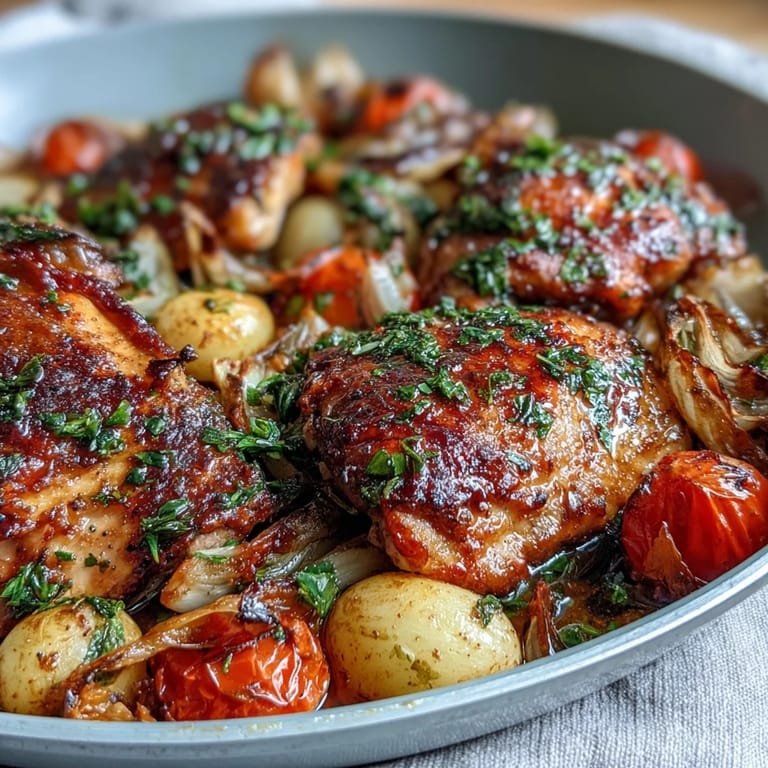
Save Last spring, my neighbor knocked on my door with a basket of cherry tomatoes from her garden and asked if I knew what to do with them. I stood there holding those warm, jewel-like tomatoes and thought about how a single sheet pan could turn their brightness into something spectacular. That evening, I threw together chicken, zucchini, and those tomatoes with nothing but olive oil and lemon, and something clicked—the way the vegetables released their sweetness while the chicken stayed impossibly juicy. It became the dinner I'd make when I wanted to feel accomplished without fussing, when spring actually felt like it was on my plate.
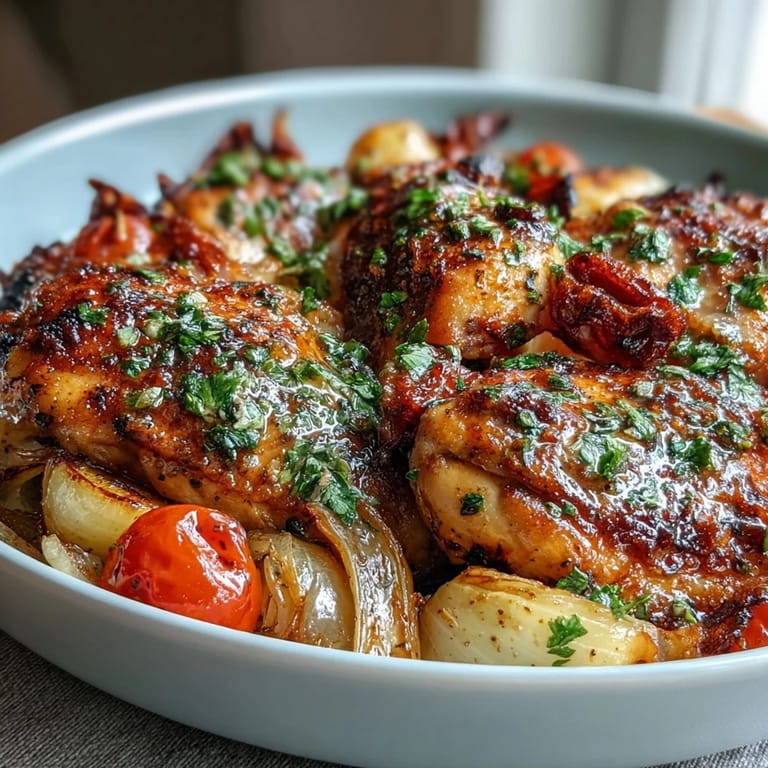
I made this for a friend who'd just moved into her first apartment with bare shelves and nervous energy about cooking. Watching her pull that baking sheet from the oven and see how beautiful it looked—golden chicken, blistered tomatoes, soft zucchini—something shifted. She said it tasted like she'd actually done something, and I realized that's exactly what this recipe offers: the satisfaction of looking like you knew what you were doing all along.
Ingredients
- Boneless, skinless chicken breasts: Look for ones that are roughly the same thickness so they cook evenly; if some are thicker, you can gently pound them to match.
- Medium zucchini: Slice them into half-inch rounds so they have enough surface area to develop soft edges without turning mushy.
- Cherry tomatoes: Halving them lets the heat get inside and intensify their flavor rather than just softening the skin.
- Red onion: Cut into wedges so the layers stay intact during cooking and add a gentle sweetness that balances the acidity.
- Olive oil: Use one you actually like the taste of since there's nowhere for it to hide here.
- Fresh lemon juice: Bottled will work in a pinch, but the fresh kind makes a noticeable difference in brightness.
- Dried Italian herbs: Herbes de Provence work beautifully too if you want to shift the flavor slightly toward something more Provençal.
- Garlic: Mince it fine so it distributes evenly across the pan and doesn't sit in raw clumps.
- Kosher salt and black pepper: Season generously—the vegetables and chicken will absorb more than you think.
- Fresh basil or parsley: Optional but worth the five seconds to chop and scatter before serving.
Tired of Takeout? 🥡
Get 10 meals you can make faster than delivery arrives. Seriously.
One email. No spam. Unsubscribe anytime.
Instructions
- Set your oven and prep your stage:
- Get your oven to 425°F and line a large rimmed baking sheet with parchment or foil—this step saves you from scrubbing later and helps everything cook evenly. Think of it as making space for the vegetables to breathe.
- Build your flavor base:
- Whisk olive oil, lemon juice, Italian herbs, minced garlic, salt, and pepper in a small bowl until it looks like a loose vinaigrette. This is your moment to taste it and adjust—if it feels too salty, add a squeeze more lemon; if too sharp, a pinch more salt rounds it out.
- Arrange your canvas:
- Place chicken breasts on the sheet, then scatter zucchini, tomatoes, and onion around them like you're creating something intentional. Leave a little space between pieces so heat can circulate and nothing steams itself soggy.
- Coat everything evenly:
- Drizzle the marinade over the chicken and toss the vegetables gently to coat them all. You'll see the flavors start to glisten across everything, which is exactly what you want.
- Let the oven do the work:
- Bake for 25 to 30 minutes until the chicken reaches 165°F internally and the vegetables are soft with slightly caramelized edges. The timing depends on your oven's personality, so start checking at 25 minutes.
- Optional golden touch:
- If you want the vegetables a bit more bronzed and blistered, run it under the broiler for 2 to 3 minutes, but watch it closely so nothing burns. This is the move that makes everything look restaurant-quality without the fuss.
- Finish with fresh herbs:
- Just before serving, scatter chopped basil or parsley over the pan if you're using it. It adds a brightness that makes people ask what you did differently.
 Save
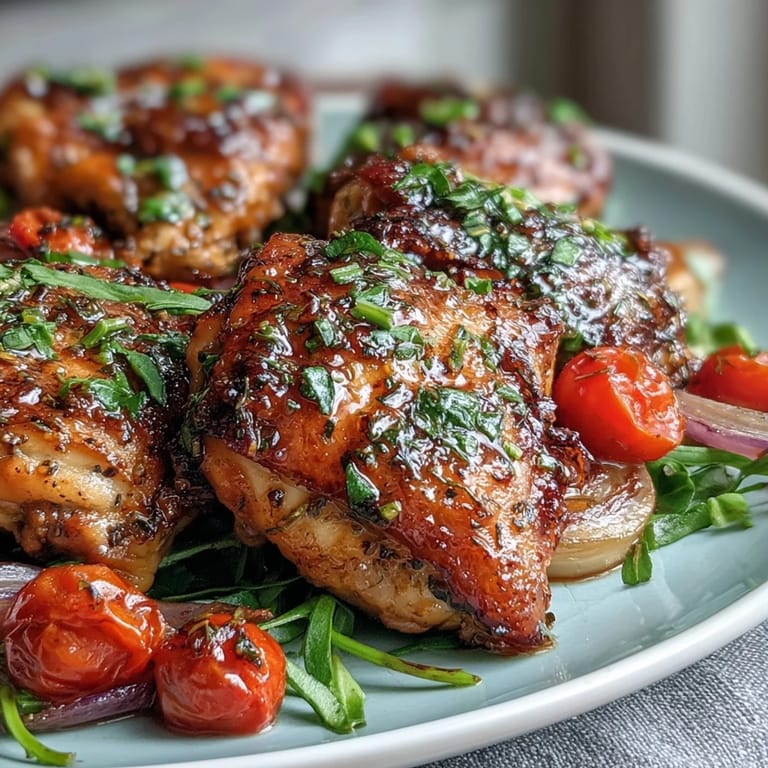
Save My sister brought her partner to dinner and he mentioned casually that he didn't usually enjoy sheet pan meals because they felt lazy. By the time he finished his plate, he was asking for seconds and whether I'd written down what I did. That moment reminded me that food isn't about complexity—it's about whether people feel cared for, and a thoughtfully roasted pan of vegetables and chicken absolutely counts.
Timing It Right
The beauty of this recipe lives in its rhythm: fifteen minutes of prep feels manageable even on nights when you're tired, and then thirty minutes in the oven means you can actually sit down. I've learned to use that baking time to set the table, pour a drink, or just breathe for a moment instead of hovering in the kitchen. It's a reminder that efficiency and relaxation don't have to be enemies.
Why This Works as Springtime Cooking
Spring vegetables want to shine rather than hide under heavy sauces, and this method honors that—you taste the zucchini, the tomato, the subtle sweetness of onion rather than any single dominant flavor. The acidity from lemon juice feels right when the weather starts warming up, and somehow a sheet pan dinner feels less heavy than something braised or slow-cooked. It's the way cooking naturally shifts as the seasons do.
Flexibility and Variations
This pan becomes whatever you need it to be depending on what's in your refrigerator or what the market has that day. I've made it with asparagus instead of zucchini in early spring, with bell peppers and eggplant in early summer, and even with Brussels sprouts when the seasons turn cooler—each version tastes like it was designed specifically for that moment. The core technique stays the same, but the dish never feels repetitive.
- Swap chicken thighs for breasts if you prefer more forgiving meat that's harder to dry out.
- Add fennel, snap peas, or any vegetable that won't release excessive water during roasting.
- Finish with a squeeze of fresh lemon at the table if you like brightness to cut through richness.
 Save
Save Some of the best dinners aren't the ones that required hours or complicated technique—they're the ones that felt effortless to make and tasted like care. This sheet pan does exactly that.
Recipe Help & Answers
- → What temperature should I bake the chicken and vegetables?
Preheat the oven to 425°F (220°C) for optimal roasting, ensuring the chicken cooks thoroughly while vegetables become tender.
- → Can I use chicken thighs instead of breasts?
Yes, chicken thighs can be used as a substitute. Adjust cooking time accordingly to ensure they are fully cooked.
- → What herbs enhance the flavor in this dish?
Dried Italian herbs or herbes de Provence combined with fresh basil or parsley provide aromatic, savory notes.
- → Is it possible to add other vegetables?
Absolutely, seasonal vegetables like asparagus or bell peppers can be added for extra variety and nutrition.
- → How do I know when the chicken is done?
The chicken is cooked when it reaches an internal temperature of 165°F (74°C) and juices run clear.
- → Can I broil the vegetables for a crispier finish?
Yes, broiling for 2–3 minutes at the end can brown the vegetables slightly for added texture.