 Save
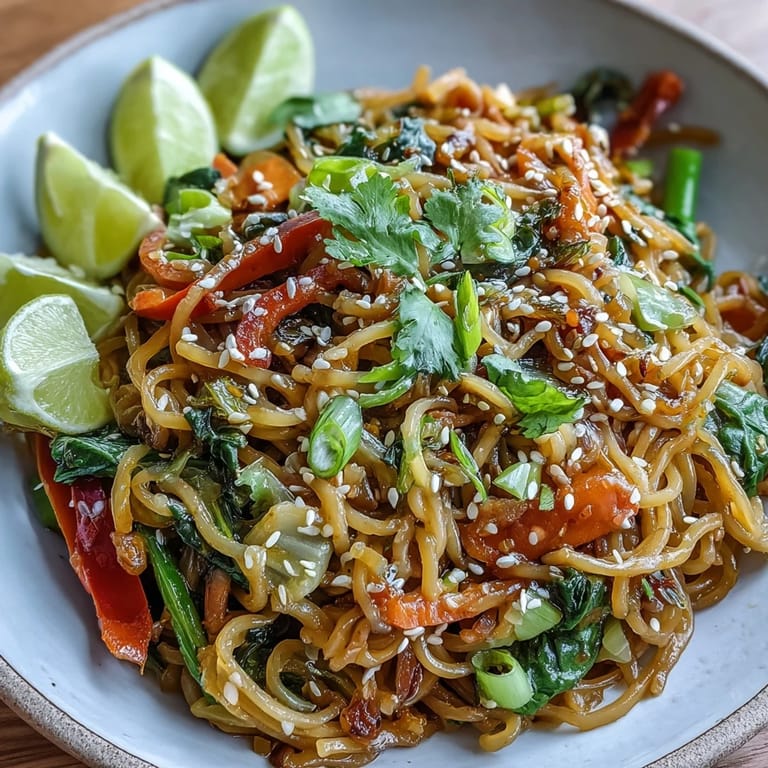
Save I discovered kelp noodles by accident during a phase when I was obsessed with finding low-calorie alternatives that didn't taste like punishment. A friend casually mentioned them while we were browsing an Asian market, and I grabbed a package mostly out of curiosity. That first bowl, tossed with whatever vegetables I had lingering in my fridge, surprised me—the noodles had this satisfying chew that actually felt substantial, nothing like the sad diet meals I'd resigned myself to. Now I make this stir-fry whenever I want something that feels indulgent but leaves me feeling light and energized.
I made this for a potluck once when everyone else brought their usual heavier casseroles, and I watched people come back for thirds of something they'd never heard of before. My neighbor actually asked for the recipe that night, which doesn't happen often when you bring vegetables to a party. There's something about the brightness of this dish that just wins people over, even the ones who claim they don't like anything healthy.
Ingredients
- Kelp noodles (12 oz): These aren't your typical noodles—they're made from seaweed and stay crispy-chewy even after cooking, which is exactly what makes them special in a stir-fry.
- Red bell pepper: The sweetness here balances the ginger in the sauce, and those thin slices cook down just enough to soften without turning mushy.
- Snap peas (1 cup): Their natural crunch survives the heat and gives you something satisfying to bite down on in every forkful.
- Carrot (1 medium): Julienning it thin means it cooks quickly and releases a subtle sweetness that deepens the overall flavor.
- Baby spinach (2 cups): It wilts in seconds, adding nutrition and a slight earthiness that grounds the brighter elements.
- Green onions: These finish the dish with a fresh bite and a hint of onion flavor that doesn't overpower.
- Tamari or low-sodium soy sauce (2 tbsp): This is your umami foundation—use the good stuff because you can actually taste it at this low quantity.
- Toasted sesame oil (1 tbsp): One tablespoon is all you need to make the entire bowl taste incredibly rich and nutty without drowning your vegetables.
- Rice vinegar (1 tbsp): This adds brightness and prevents the sauce from feeling too heavy or flat.
- Fresh ginger (1 tbsp grated): Grate it fresh, not from a jar—the difference is noticeable in how the sauce tastes alive and sharp.
- Maple syrup or agave (2 tsp): Just enough sweetness to round out the savory and spicy notes without making this a sweet dish.
- Garlic (2 cloves minced): Raw garlic in the sauce gives it punch, but mince it fine so you don't end up with big chunks.
- Chili flakes (1/2 tsp optional): Add these if you like heat, but even without them the ginger gives the dish plenty of personality.
- Sesame seeds and cilantro: These are your finishing touches—they add texture and that restaurant-quality feel.
Tired of Takeout? 🥡
Get 10 meals you can make faster than delivery arrives. Seriously.
One email. No spam. Unsubscribe anytime.
Instructions
- Soften the kelp noodles:
- Soak them in warm water for 10 minutes—they'll go from stiff little bundles to tender and pliable. Drain them well so they don't make your stir-fry watery.
- Whisk the sauce together:
- In a small bowl, combine tamari, sesame oil, rice vinegar, ginger, maple syrup, garlic, and chili flakes with a few quick whisks until everything is blended. Taste it at this stage and adjust if needed—this is when you can fix any imbalance.
- Sauté the harder vegetables:
- Get your skillet or wok hot over medium-high heat and add the bell pepper, snap peas, and carrot. These need about 3 to 4 minutes to soften slightly while still keeping that satisfying crunch you're after.
- Wilt in the spinach:
- Toss in the spinach and green onions, stirring for just about a minute until the spinach goes from bright to a deeper shade of green. This happens faster than you'd think, so don't walk away.
- Bring it all together:
- Add your drained kelp noodles and pour the sauce over everything in the pan. Toss continuously for 2 to 3 minutes so every noodle and vegetable gets coated in that silky sauce and the whole thing heats through.
- Plate and finish:
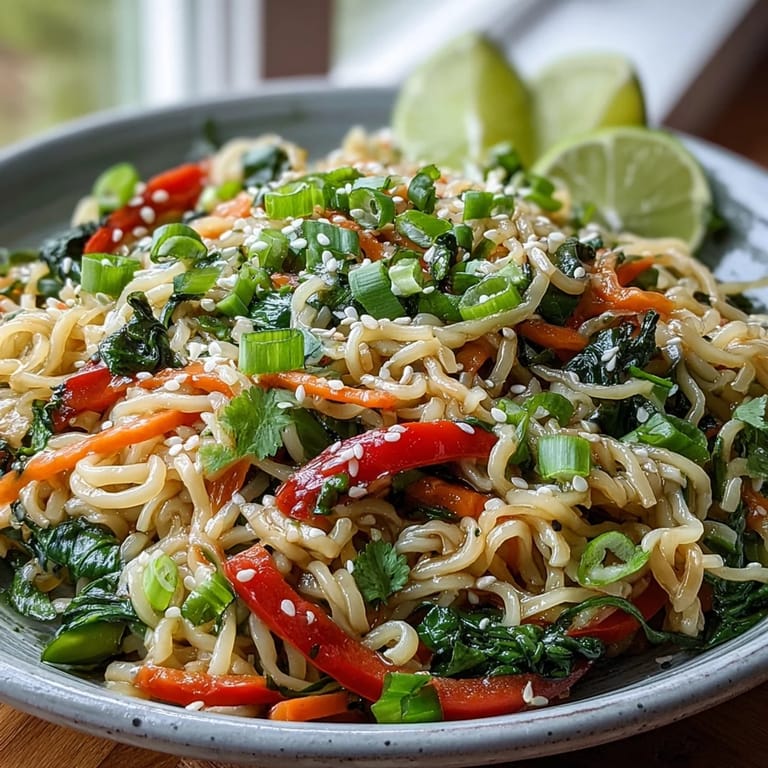
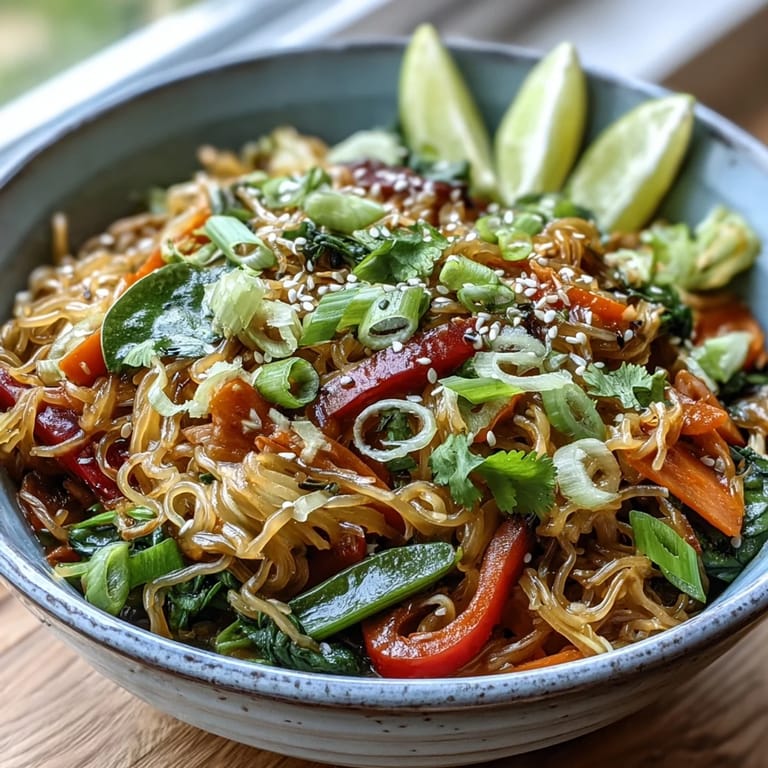
- Serve immediately while everything is still warm, then scatter sesame seeds, cilantro, and lime wedges across the top if you're using them. The lime wedge is optional but genuinely transforms each bite.
 Save
Save There's this moment right when everything hits the pan together and the kitchen fills with the smell of ginger and sesame and something slightly oceanic from the noodles—that's when this dish stops being just dinner and becomes something you actually look forward to making. It's become my go-to when I want to feel like I'm taking care of myself without any of the guilt or deprivation that usually comes with that territory.
Why Kelp Noodles Matter
Kelp noodles are strange the first time you encounter them—they're translucent, they smell faintly briny, and they don't behave like pasta. But that's exactly what makes them brilliant in a stir-fry. They absorb flavors without becoming soggy, they keep their texture even when tossed with sauce, and they're genuinely nutritious with virtually no calories. Once you get comfortable with them, you'll start finding excuses to use them in other dishes.
Building the Perfect Sauce Balance
The magic of this sauce is that it doesn't announce itself with any single overwhelming flavor. The soy provides umami depth, the ginger brings heat and freshness, the sesame oil adds richness, the vinegar keeps everything bright, and the maple syrup softens all the edges. Every ingredient here is doing something specific and necessary. If you skip the ginger or skimp on the sesame oil, you'll notice immediately—this is one of those dishes where quantity actually matters.
Making It Your Own
The vegetables I've listed are my go-to combination, but I've made this with broccoli, mushrooms, zucchini, and even cabbage depending on what needed to be used up in my crisper drawer. The bones of the recipe stay the same—the sauce works with almost any vegetable you want to throw in. Some nights I add cubed tofu for protein, other times I'll stir in some edamame at the end. The formula is forgiving enough to adapt to whatever you have on hand.
- Try adding a spoonful of almond or peanut butter to the sauce for a creamy, subtly nutty version.
- Extra protein options include crumbled tofu, edamame, cooked chickpeas, or even cashew pieces.
- Make a bigger batch of the sauce and store it in the fridge—it keeps for about a week and is brilliant on grain bowls or drizzled over roasted vegetables.
 Save
Save This dish has quietly become one of my most reliable meals, the kind of thing I make when I want something that tastes thoughtful but doesn't require a lot of thought. It's proof that eating light doesn't have to mean eating boring.
Recipe Help & Answers
- → What do kelp noodles taste like?
Kelp noodles have a very mild, neutral flavor that readily absorbs sauces and seasonings. Their main appeal is the satisfying crunch they provide, similar to glass noodles but with more texture.
- → Do I need to cook kelp noodles?
No cooking required! Simply soak them in warm water for 10 minutes to soften. They can then be added directly to stir-fries or served cold in salads.
- → Can I add protein to this dish?
Absolutely. Cubed tofu, edamame, or shredded chicken breast work beautifully. Add your protein during step 3 when sautéing the vegetables.
- → Is this dish spicy?
The base version is mild with just a hint of heat from optional chili flakes. Adjust spice levels by adding more chili flakes, sriracha, or fresh ginger.
- → How long does this keep in the refrigerator?
Stored in an airtight container, this dish keeps well for 2-3 days. The noodles may soften slightly but remain delicious. Enjoy cold or gently reheated.