 Save
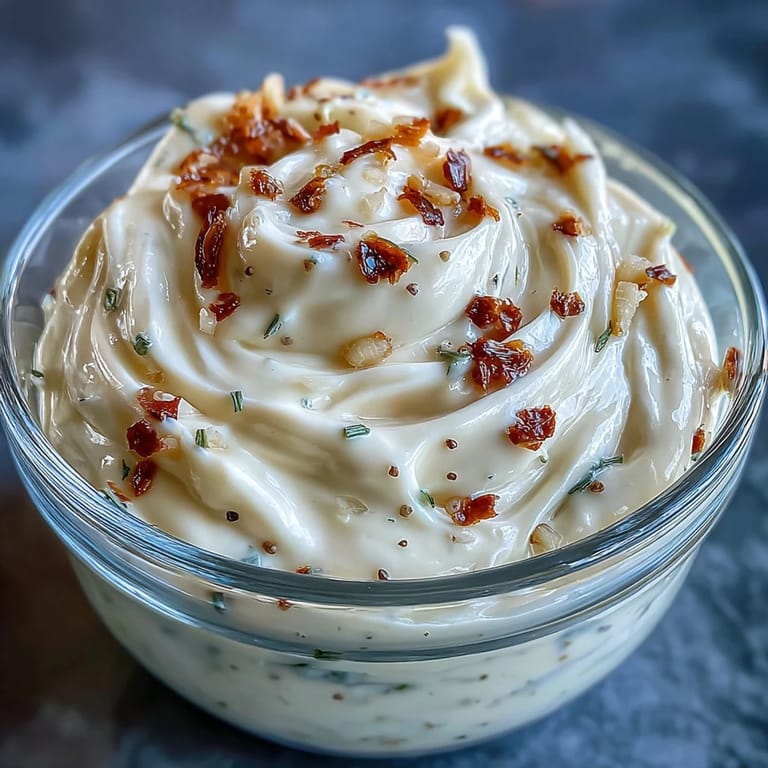
Save The first time I made garlic aioli from scratch, the clatter of the whisk against the bowl was oddly satisfying, and the sharp tang of lemon and garlic filled the air before the sauce even came together. It was a moment when curiosity trumped convenience, and that little kitchen experiment ended up eclipsing any store-bought version. There's something quietly thrilling about transforming humble ingredients into a creamy dip that makes fries and veggies feel gourmet. Even the minutes spent mincing garlic felt purposeful, a small act of care that paid off in flavor. Sometimes, simple really is just better.
I remember serving this aioli at a casual backyard dinner one warm evening—just a handful of friends, assorted grilled vegetables, and that little bowl of garlicky sauce. Conversations paused whenever someone reached for more, and laughter over spilled dips became part of the feast. Having something so simple, yet crowd-pleasing, made the meal unexpectedly memorable. Even my most skeptical guest requested the recipe afterwards. It was all the proof I needed that homemade dips connect people.
Ingredients
- Egg yolk: Starting with room temperature yolk ensures the sauce will emulsify smoothly—don’t rush this step, it matters!
- Dijon mustard: Just a teaspoon adds depth and helps stabilize the mixture, making it less likely to split.
- Fresh lemon juice: The acidity brightens the aioli and balances the richness; always squeeze it fresh, never bottled.
- Neutral oil: Oils like sunflower or canola let the garlic shine without overpowering flavors; pour slowly for best texture.
- Garlic cloves: Choose fresh, firm cloves for maximum flavor—they’re the heartbeat of this recipe.
- Sea salt: Use fine salt so it dissolves effortlessly, tasting as you go.
- Black pepper: Grinding fresh makes all the difference, as both aroma and subtle heat lift the creamy spread.
Tired of Takeout? 🥡
Get 10 meals you can make faster than delivery arrives. Seriously.
One email. No spam. Unsubscribe anytime.
Instructions
- Whisk the Base:
- Combine egg yolk, Dijon mustard, and lemon juice in a medium bowl, whisking until it looks pale and slightly thicker—listen for the gentle swish as they come together.
- Slowly Add Oil:
- Take your time: drizzle in oil drop by drop at first, whisking without pause, feeling the resistance grow as it thickens into a glossy sauce.
- Mix in Flavorings:
- Fold in minced garlic, salt, and black pepper, letting the aroma waft up; now’s the moment to taste for the punch of garlic and balance of salt.
- Adjust & Chill:
- Squeeze in a bit more lemon juice or salt if needed, then transfer to a jar and refrigerate so flavors meld and the aioli chills just right.
 Save
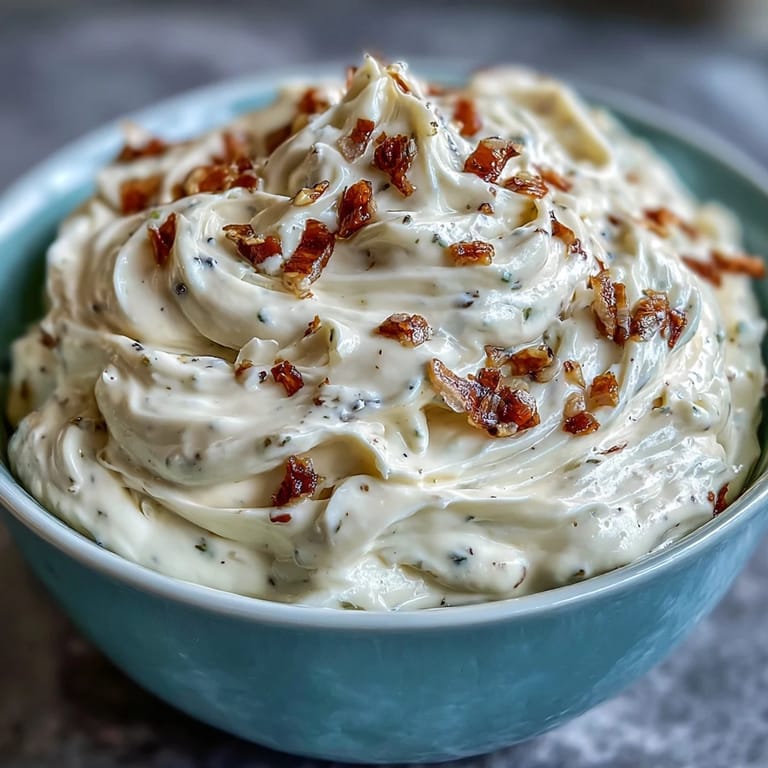
Save One afternoon, I smeared this aioli on a sandwich for my partner—what was meant to be a quick lunch became an enthusiastic conversation about lemon zest and garlic ratios. That moment made me realize how even condiments can inspire creative energy together. Sometimes, it’s just a little homemade sauce that makes an ordinary day stand out.
How to Fix a Broken Aioli
If your aioli separates or turns runny, whisking in a fresh egg yolk in a separate bowl and then slowly mixing the broken sauce back in can restore its creamy glory. More than once, I've rescued a batch this way and it felt quietly triumphant—like winning the little kitchen battles that make cooking satisfying.
Getting the Garlic Level Just Right
On days when a subtle garlic flavor fits the mood, swapping raw garlic for roasted makes the spread mellower and easier on the palate. If you love a bold hit, stick with fresh, but taste as you go—it's easy to overpower the sauce if you’re not careful.
Ways to Use Your Garlic Aioli
I’ve slathered it on toasted bread, used it as a dip for sweet potato fries, and even dolloped it on roasted salmon for extra richness. Let your imagination wander past the classics—aioli belongs anywhere you need creaminess and zing.
- Always store it cold and use within three days.
- If it thickens too much, whisk in a splash of water or lemon juice.
- Don’t forget to taste before serving—a little extra salt can make flavors pop.
 Save
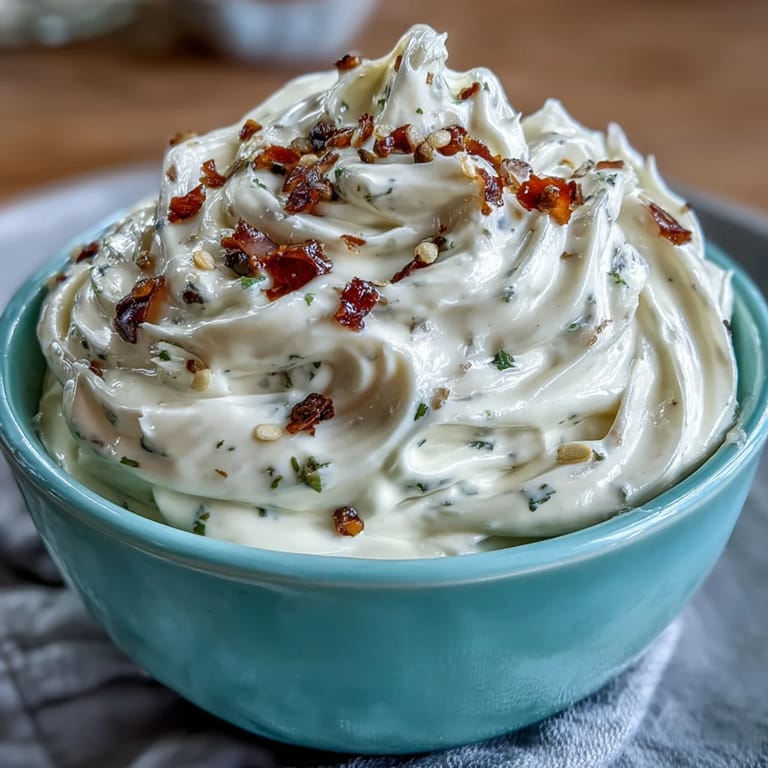
Save Homemade aioli turns simple meals into something memorable, even on a rushed weekday. I hope you find yourself whisking up the perfect batch again and again.
Recipe Help & Answers
- → Can I use whole eggs instead of just yolks?
Whole eggs can be used, but yolks produce a richer, thicker aioli. The additional whites will make it lighter in texture.
- → How do I fix broken aioli?
If the mixture separates, slowly whisk in a teaspoon of water or start a new yolk and gradually add the broken aioli to re-emulsify.
- → Is it safe to eat raw egg yolks?
Use very fresh and preferably pasteurized eggs to reduce risk. Always refrigerate immediately and consume within 3 days.
- → Can I make it vegan?
Yes, substitute the egg yolk with aquafaba (liquid from canned chickpeas) and use slightly more mustard for emulsion.
- → How can I vary the flavor?
Add roasted garlic for milder taste, smoked paprika, or chopped fresh herbs such as parsley or dill for unique twists.